
How to Fix a Clogged Drain (and When to Call a Plumber)
Same-Day
Licensed
Effective
37+
Most clogs are not mysterious. Grease, wipes, hair and roots do nearly all of the damage, and the sewer utilities that clean up after them say so plainly. This guide shows how to clear a clog yourself, what makes it worse, and the point where calling a plumber costs less than another weekend with a plunger.
The numbers come from EPA, the Census Bureau, ASCE, insurers and the utilities that serve Dallas-Fort Worth. Where a figure comes from another city, we say so. Updated Nov 2026.
Key Takeaways
- Grease is the single biggest cause of reported sewer blockages at 47%, ahead of grit and debris at 27% and roots at 22% (EPA, Aug 2004).
- 48% of sewer overflows with a known cause were blockages, more than any other cause (EPA, Aug 2004).
- 70% of sewer overflows in Houston are caused by clogs from fats, oils and grease poured down drains and wipes flushed down toilets (Houston Public Works, Nov 2026).
- Wipes cost US utilities about $441 million a year in extra collection-system operating costs (NACWA, Sep 2020).
- NTMWD estimates 5,000 to 8,000 pounds of wipes are flushed into its North Texas system each year, adding $70,000 to $100,000 in annual costs (NTMWD, Mar 2023).
- 2.5 million US homes had no working toilet at some point in a three-month window (US Census Bureau and HUD, Sep 2022).
- The average homeowners water damage and freezing claim was $17,240 over 2020 to 2024 (Triple-I and Verisk, Nov 2026).
- EPA’s advice for a clogged drain is to avoid chemical drain openers and use boiling water or a drain snake instead (EPA, Aug 2026).
- 297 of 1,475 poison-center drain cleaner cases in young children with a known outcome were moderate or worse (BMC Pediatrics, May 2026).
- In Dallas, the lateral line from the house to the city main is the homeowner’s responsibility, and repairs can cost $4,000 or more (City of Dallas, Apr 2014).
How common are clogs and sewer backups?
Clogs are routine, and they are getting more expensive to prevent as pipes age. Your drain is the last inch of a very large system.
- EPA estimates at least 23,000 to 75,000 sanitary sewer overflows a year in the US, not counting backups into buildings (EPA, Apr 2026).
- Sewer overflows fell from 0.7 to 0.16 per 100 miles of utility pipe between 2015 and 2021 (ASCE, Mar 2025).
- At combined water utilities, average collection system failures rose from 2 to 3.3 per 100 miles of pipe (ASCE, Mar 2025).
- Wastewater infrastructure earned a D+ in 2025, unchanged from 2021, with wastewater and stormwater needs of $99 billion against a $69 billion funding gap (ASCE, Mar 2025).
- 10.5 million US homes reported water leakage from inside the home (US Census Bureau and HUD, Sep 2022).
- Dallas Water Utilities runs 4,088 miles of wastewater main and treated 78.7 billion gallons in fiscal 2025 (Dallas Water Utilities, Sep 2025).
What actually causes a clogged drain?
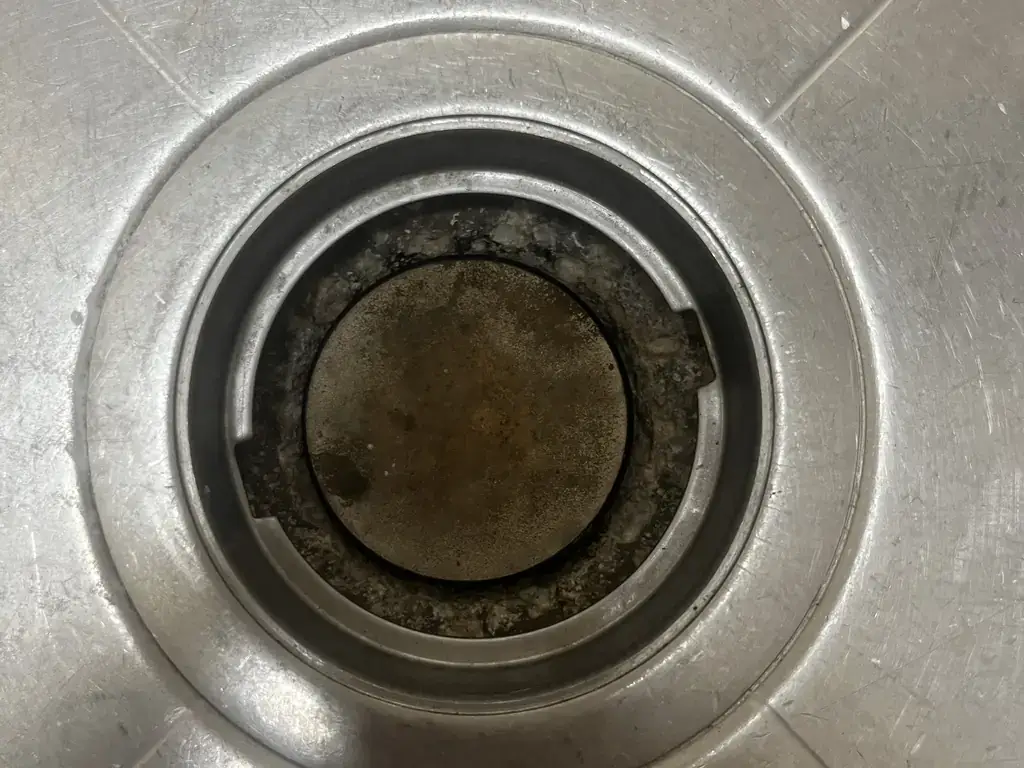
Three things dominate: grease, wipes and roots. Hair and soap scum build up in bathroom drains, but utilities do not track them separately, so there is no clean number for them.
- Grit, rocks and other debris account for 27% of reported blockage events, and roots for 22% (EPA, Aug 2004).
- In communities that reported more than 100 overflows a year, 74% were blockages (EPA, Aug 2004).
- San Antonio Water System puts fats, oils and grease at nearly 70% of its sewer blockages and overflows (SAWS, Nov 2026).
- El Paso Water attributes more than 80% of its wastewater blockages to grease or grease combined with other materials (El Paso Water, Nov 2026).
- Wipes made up about 93% of the blockage material in a Water UK analysis of 54 UK blockages, measured by weight, while grease was only 0.06% (Water UK, May 2023).
- Dallas Water Utilities warns that wipes labeled flushable do not break down, and that grease hardens in your pipes or the city lines (Dallas Water Utilities, Nov 2026).
The US and UK numbers point in different directions on grease, which is why we do not blend them. In North Texas, where Dallas Water Utilities’ own guidance leads with grease, kitchen lines are the first place we look.
What do clogs cost?
A clog that you fix in an hour costs nothing. A clog that backs into the house is a different bill, and insurance often does not cover it.
- Water damage and freezing claims occur at 1.42 per 100 insured house-years, or about one in 70 insured homes (Triple-I and Verisk, Nov 2026).
- Sewer backups are not covered under a typical homeowners policy, nor by flood insurance, and need a separate endorsement (Triple-I, Nov 2026).
- The Texas Department of Insurance says sewer backup coverage depends on your policy (Texas Department of Insurance, Sep 2025).
- NACWA puts the wipes bill in Texas at about $25 million a year, and the national average at $7.65 per household (NACWA, Sep 2020).
- New York City spends about $18.8 million a year degreasing sewers and repairing damage from backups and non-flushable items, and says a sewer line repair there can run $10,000 to $15,000 (NYC Department of Environmental Protection, Nov 2026).
New York prices are higher than Dallas prices, so read the last figure as a sign of scale, not a quote.
How do I fix a clogged drain myself?
Start with the cheapest tool that fits the clog, and stop when nothing is moving. Most single-fixture clogs yield to one of these four steps.
1. Plunge. Use a cup plunger on sinks and tubs and a flange plunger on toilets. Cover the cup with water, block the overflow opening or the second sink drain with a wet rag, and pump firmly for 15 to 20 strokes.
2. Clear the trap. Put a bucket under the P-trap, hand-loosen the slip nuts, and empty the curved pipe. Hair, grease and a lost ring often sit right here. Reassemble hand-tight, then add a quarter turn.
3. Snake it. Feed a hand auger into the drain until you feel resistance, crank to hook the clog, and pull it back. For a toilet, use a closet auger, not a sink snake, to protect the porcelain.
4. Flush with hot water. EPA’s septic guidance suggests boiling water. On PVC or older glued joints we start with hot tap water, since boiling water can soften joints and crack porcelain.
Why shouldn't I use chemical drain cleaners?
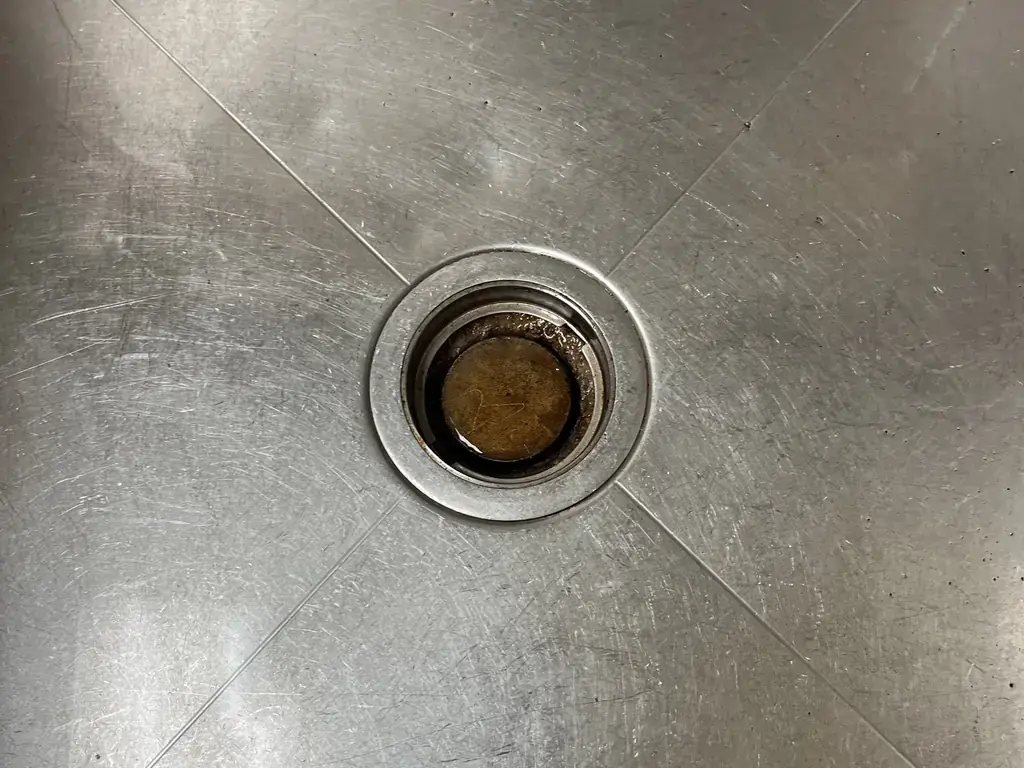
They are the riskiest option for people, and not always the best for pipes. Use mechanical methods first.
- Poison centers logged 2,254 drain cleaner exposures in children under six from 2016 to 2023 (BMC Pediatrics, May 2026).
- In an earlier national poison center dataset, 1.8% of drain cleaner exposures with a known outcome had major effects and 13.6% moderate (Journal of Occupational Medicine and Toxicology, Aug 2023).
- Sodium hydroxide in drain cleaners can burn the esophagus and stomach if swallowed (MedlinePlus, Apr 2025).
- Never mix bleach with toilet cleaners or ammonia-based cleaners, because chlorine gas or other dangerous chemicals can be released (ATSDR, Mar 2015).
- On septic systems, EPA warns that pouring toxins and drain cleaners down the drain can kill the bacteria the tank depends on (EPA, Aug 2026).
The same study found significant injury in only 2.6% of the 1,317,970 pediatric household cleaner exposures it analyzed (Journal of Occupational Medicine and Toxicology, Aug 2023), so the risk is real but not universal. Stacking a second chemical on top of a failed first one is where things go wrong. If a cleaner has not worked, do not stack another on top. Tell the plumber what you used before they open the line.
When should I call a plumber?
Call when the clog is not in one fixture, when it keeps coming back, or when water is already where it should not be.
- More than one drain is slow or backing up, which points to the main line.
- A toilet gurgles when the washer drains, or a floor drain or shower shows water.
- The clog returns within weeks of clearing it, or the snake stops at a hard obstruction.
- You smell sewage, or the lawn over the sewer line is soggy.
In Dallas, the line from your house to the city main is yours to maintain. The city’s own briefing says private lateral lines are the homeowner’s responsibility and may not be covered by homeowners insurance (City of Dallas, Apr 2014). If the whole street is backing up, contact Dallas Water Utilities, because the main belongs to the city.
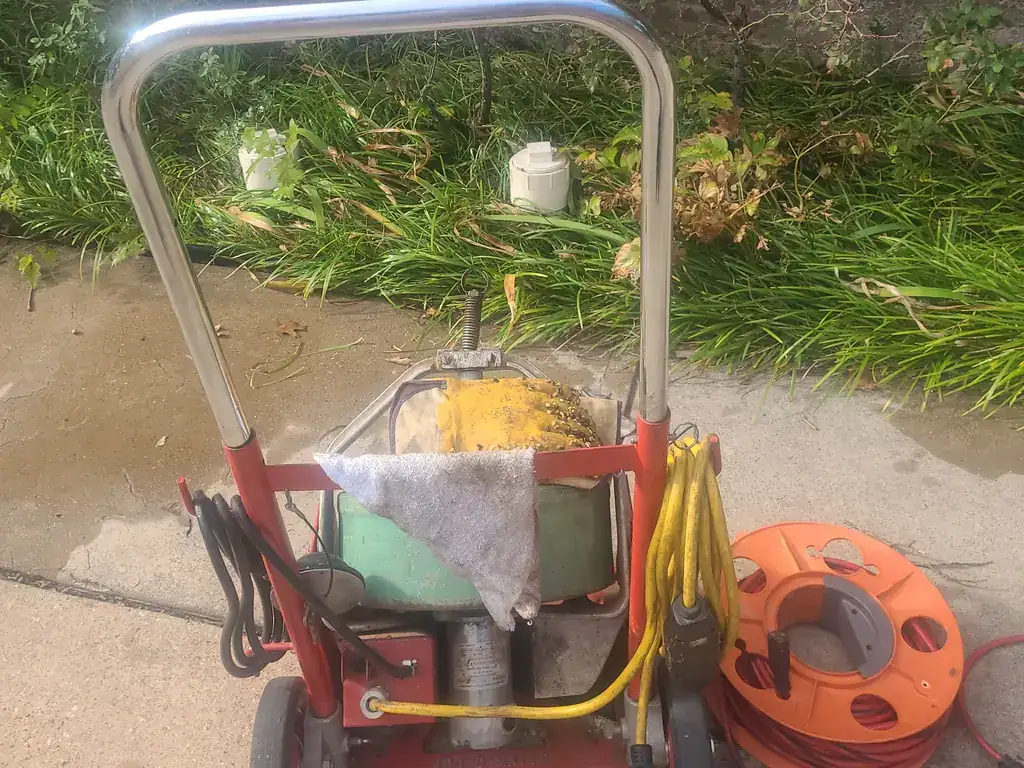
We start with a camera inspection to see what is in the line, then use drain cleaning or hydro jetting to clear it. If the camera shows a collapsed or root-filled pipe, we cover that on our sewer repair page.
How do I prevent clogs?
Prevention is mostly three habits: grease goes in the trash, wipes go in the trash, and hair gets caught before the drain.
- Pour cooled grease into a sealable container, freeze it, and throw it away when it is full (Dallas Water Utilities, Nov 2026).
- Keep wipes out of the toilet, including the ones labeled flushable. Toilets handle waste and toilet paper only.
- Fit a mesh strainer in every shower and tub drain, and empty it weekly.
- Run hot water for a minute after washing dishes, and scrape plates into the trash first.
- Schedule a drain cleaning visit if the same line slows down more than twice a year.
Glossary
- SSO: sanitary sewer overflow, a release of untreated sewage from a sanitary sewer before it reaches treatment.
- FOG: fats, oils and grease.
- Lateral: the private sewer line that runs from a building to the city main.
- P-trap: the curved pipe under a sink that holds water to block sewer gas.
- EPA: US Environmental Protection Agency.
- ASCE: American Society of Civil Engineers.
- NACWA: National Association of Clean Water Agencies.
- NTMWD: North Texas Municipal Water District.
- Triple-I: Insurance Information Institute.
Methodology and Sources
Statistics are taken from government agencies, utilities, peer-reviewed research and insurers’ data bodies, and each link goes to the page or report where the number appears. Where a source page carries no publication date, the date shown is the month we last read it. Figures from other cities, countries or years are labeled as such. Utility percentages are the utilities’ own statements and do not come with a published method. We will review the page as sources change.
Sources
- EPA, Aug 2004
- Houston Public Works, Nov 2026
- NACWA, Sep 2020
- NTMWD, Mar 2023
- US Census Bureau and HUD, Sep 2022
- Triple-I and Verisk, Nov 2026
- EPA, Aug 2026
- BMC Pediatrics, May 2026
- City of Dallas, Apr 2014
- EPA, Apr 2026
- ASCE, Mar 2025
- Dallas Water Utilities, Sep 2025
- SAWS, Nov 2026
- El Paso Water, Nov 2026
- Water UK, May 2023
- Dallas Water Utilities, Nov 2026
- Triple-I, Nov 2026
- Texas Department of Insurance, Sep 2025
- NYC Department of Environmental Protection, Nov 2026
- Journal of Occupational Medicine and Toxicology, Aug 2023
- MedlinePlus, Apr 2025
- ATSDR, Mar 2015
- Dallas Water Utilities, Nov 2026
Why Choose Double M Plumbing
Rapid Service
Professional Equipment
Long-Lasting Results
Licensed & Insured
Satisfaction Guaranteed
Always Available
37+ Years of Trusted Plumbing in DFW
37+
15K+
A+
Frequently Asked Questions
What causes pipes to clog?
Can you fix recurring clogs?
Is hydro jetting safe for old pipes?
How do I know if it's a clog or pipe damage?
Can tree roots cause clogs?
How much does it cost to unclog pipes?
Serving Select Dallas Neighborhoods
- Dallas
- Irving
- Grand Prairie
- Plano
- Carrollton
- Garland
- Mesquite
- Rockwall
- Heath
- Wylie
- Lancaster
- Red Oak
- Seagoville